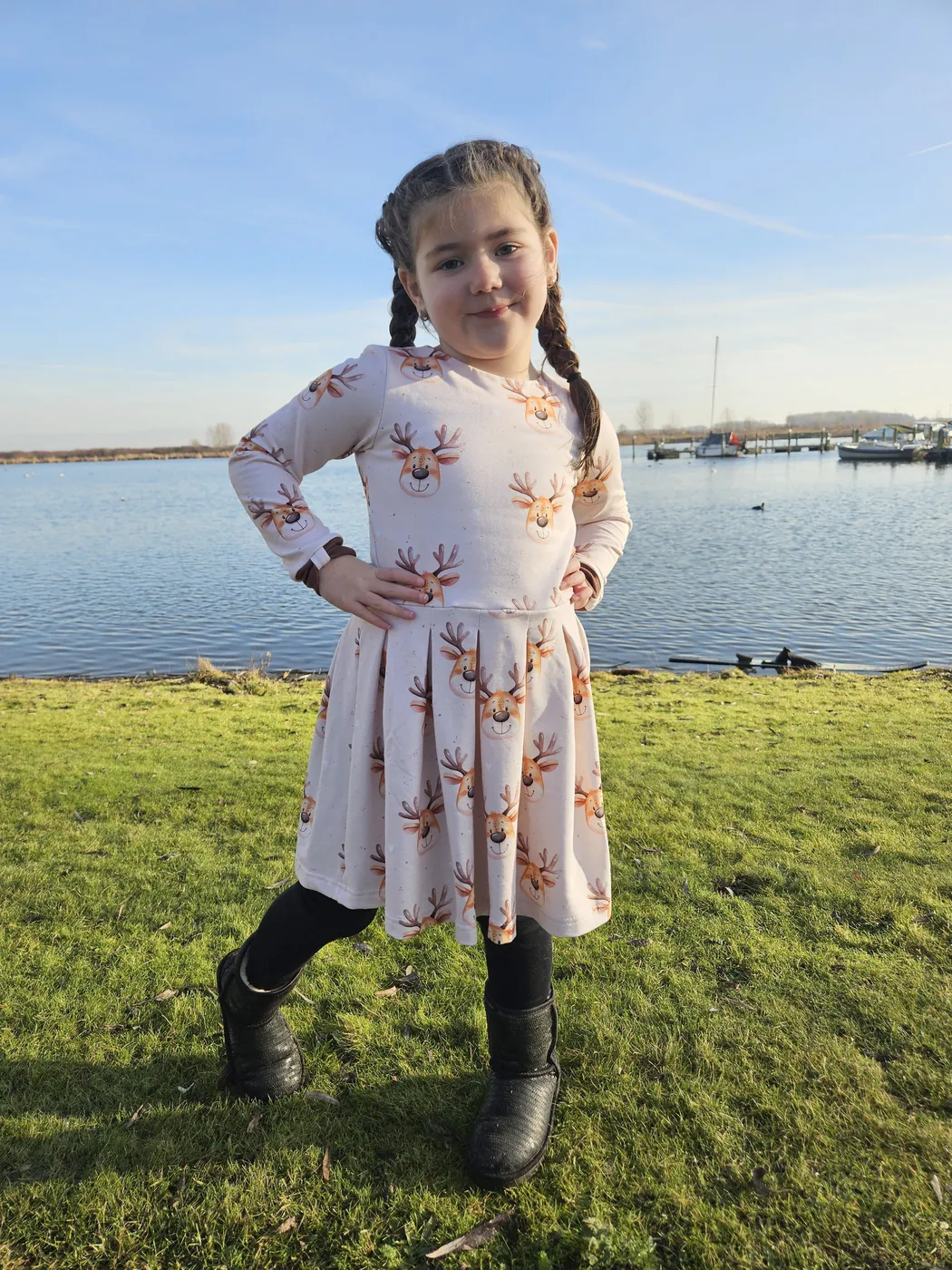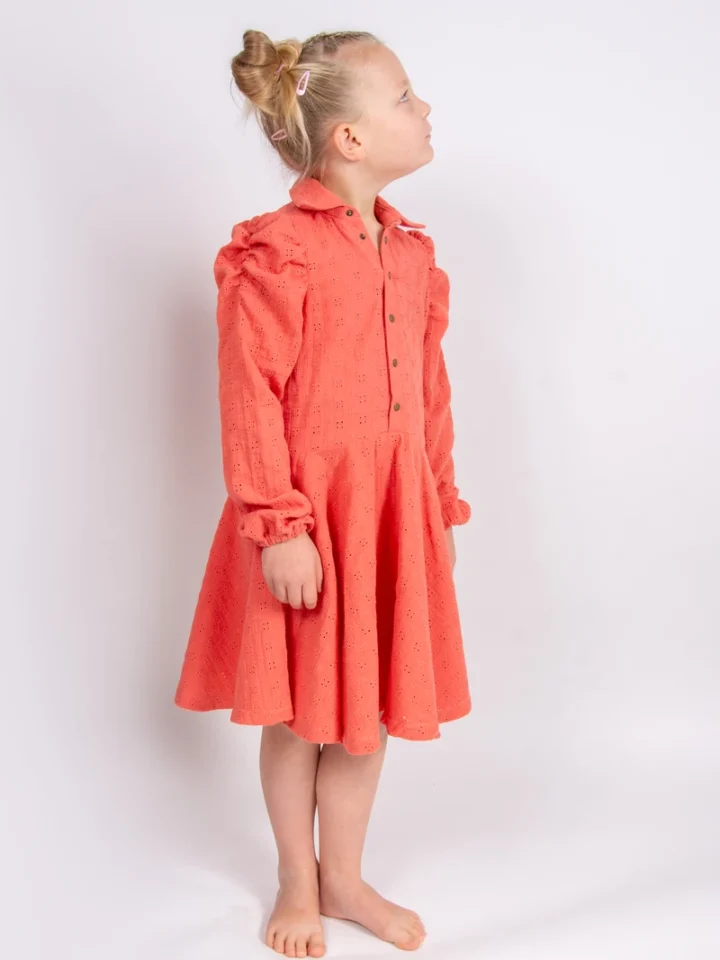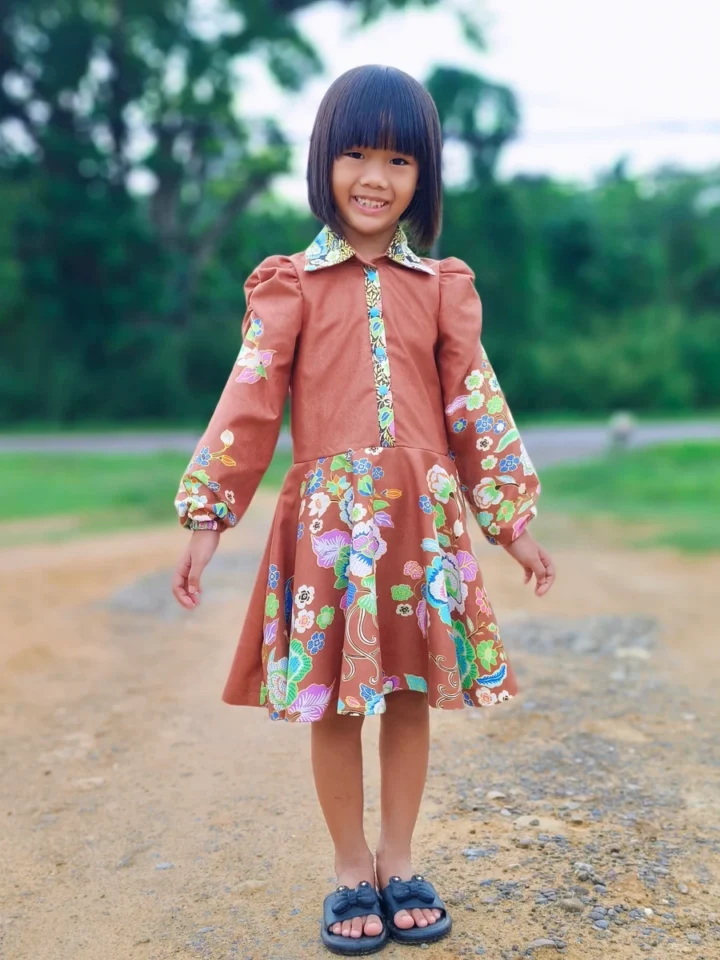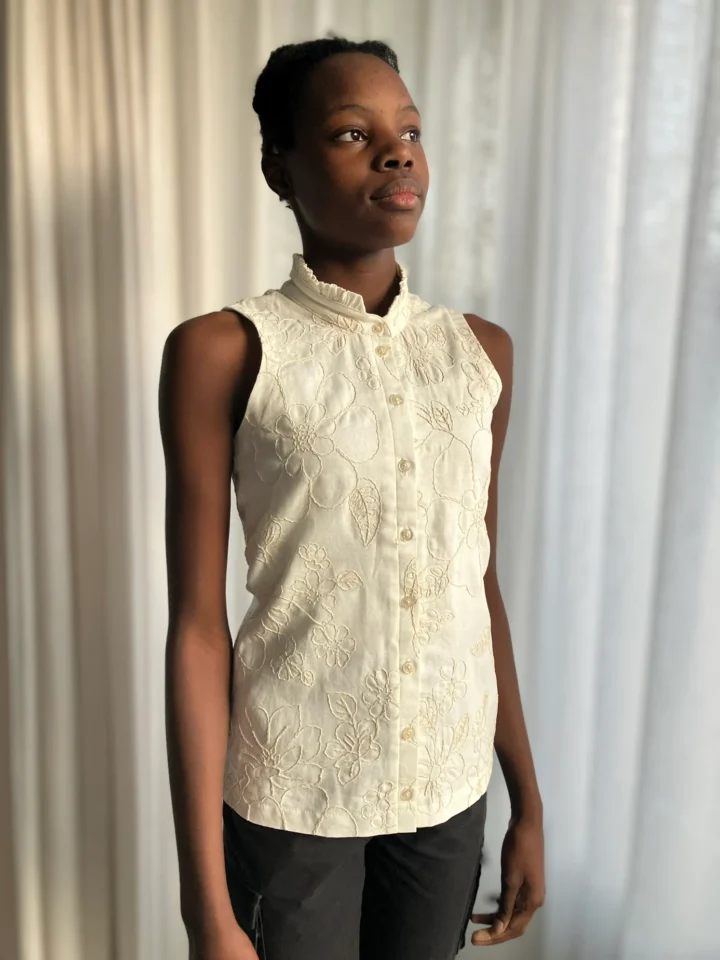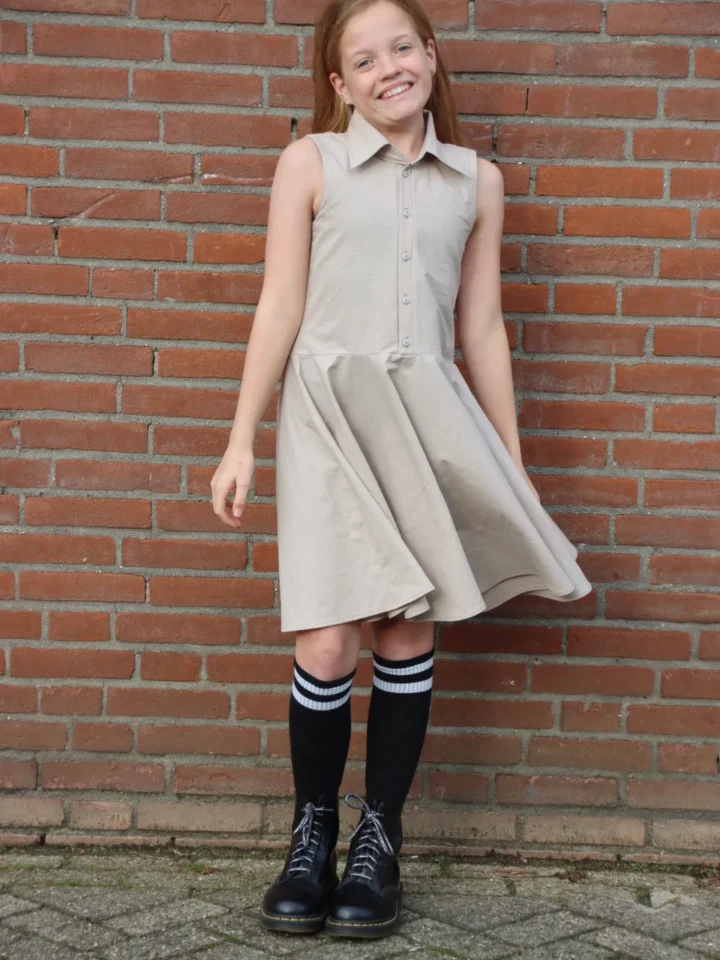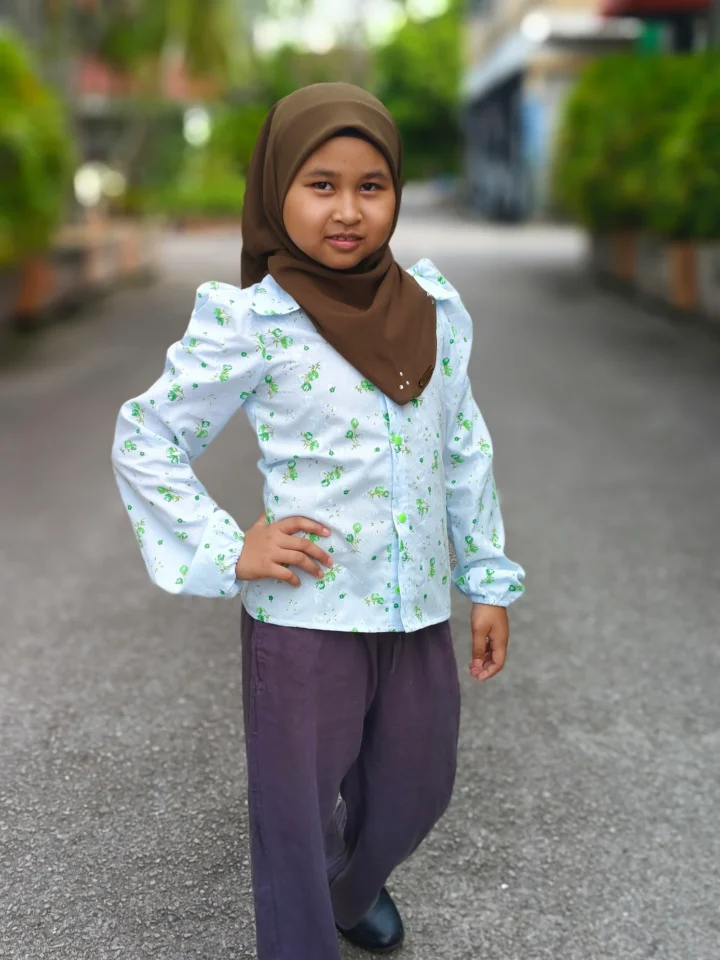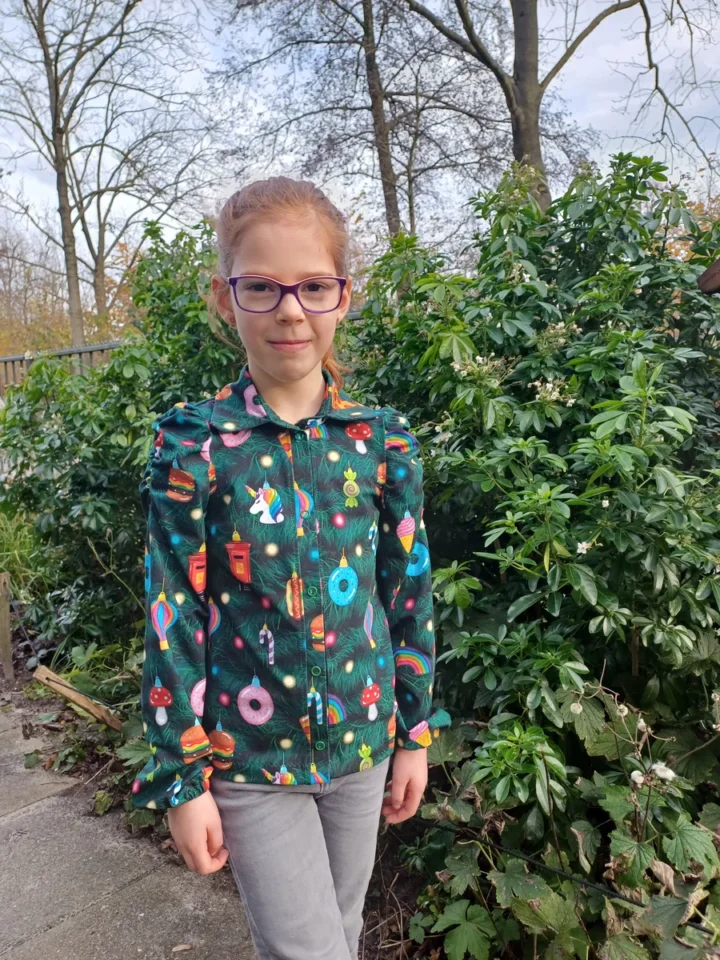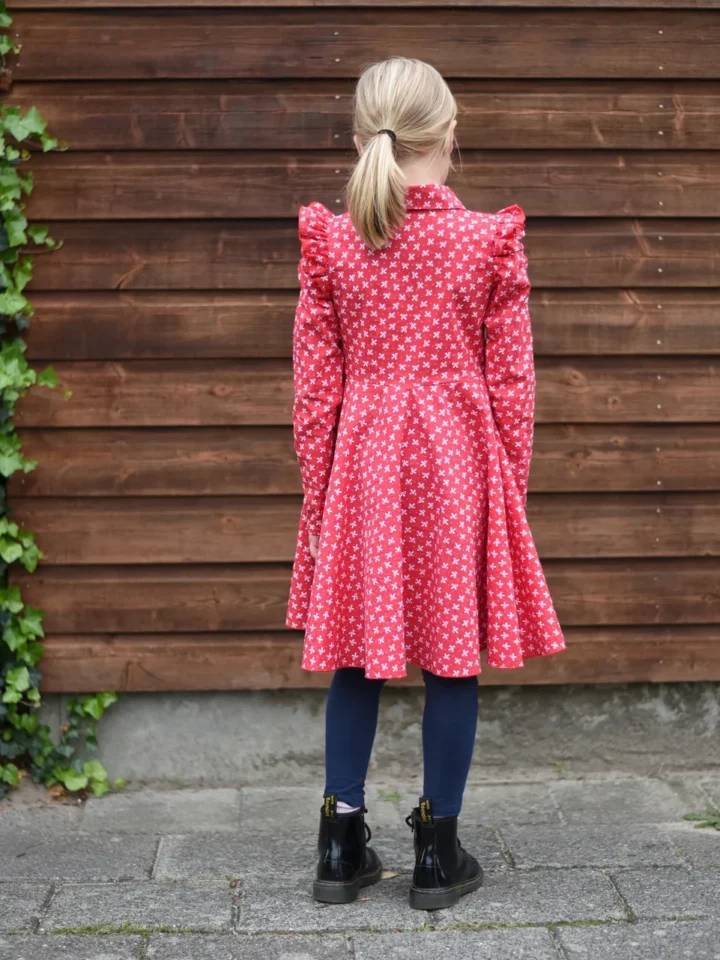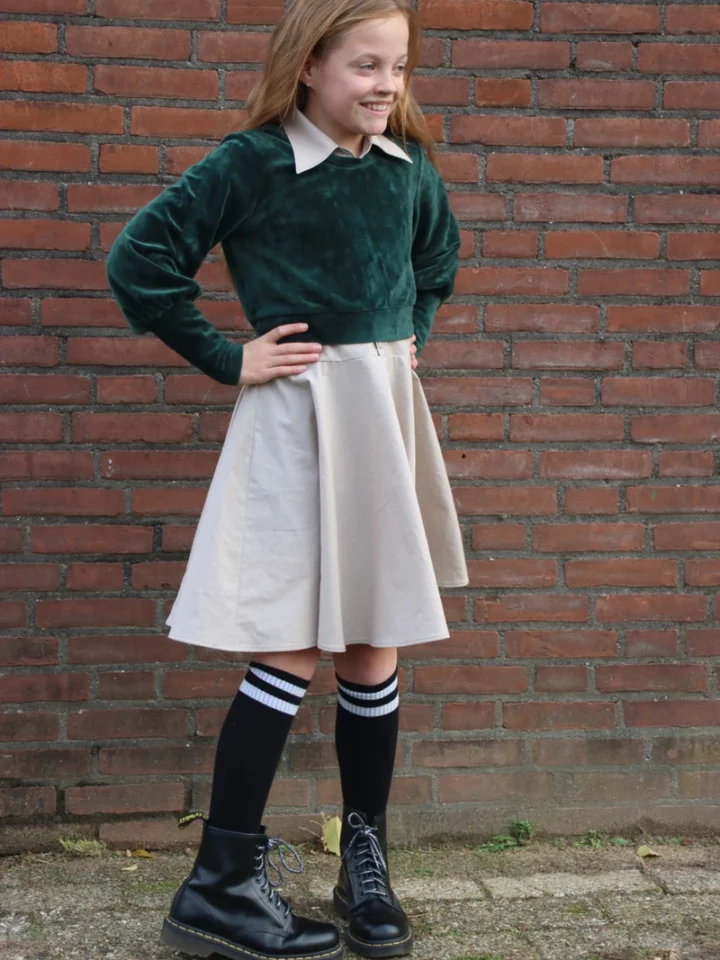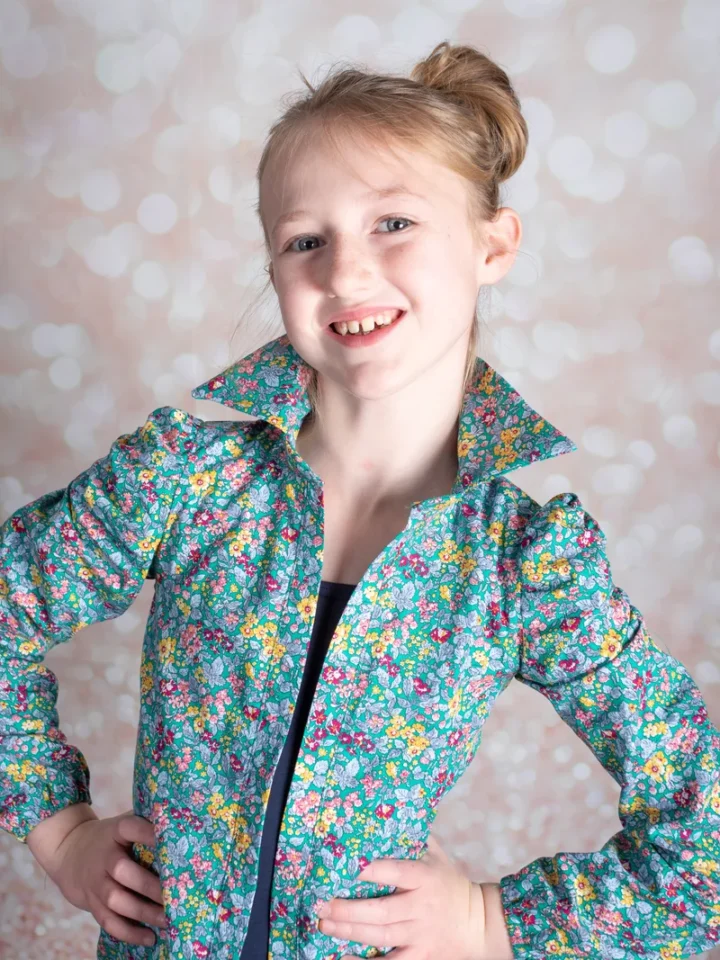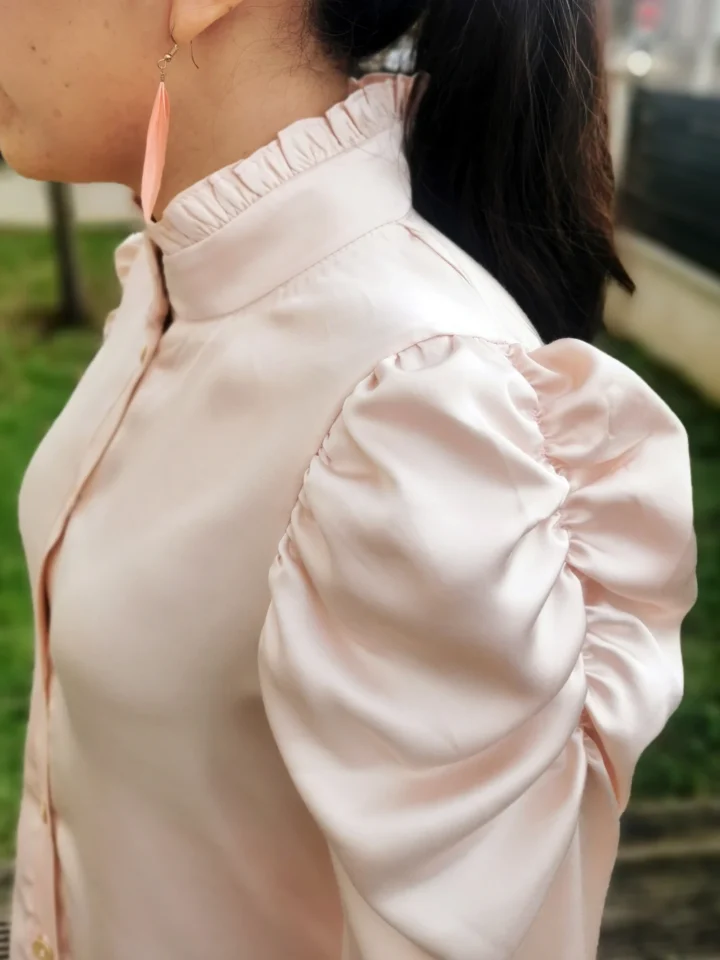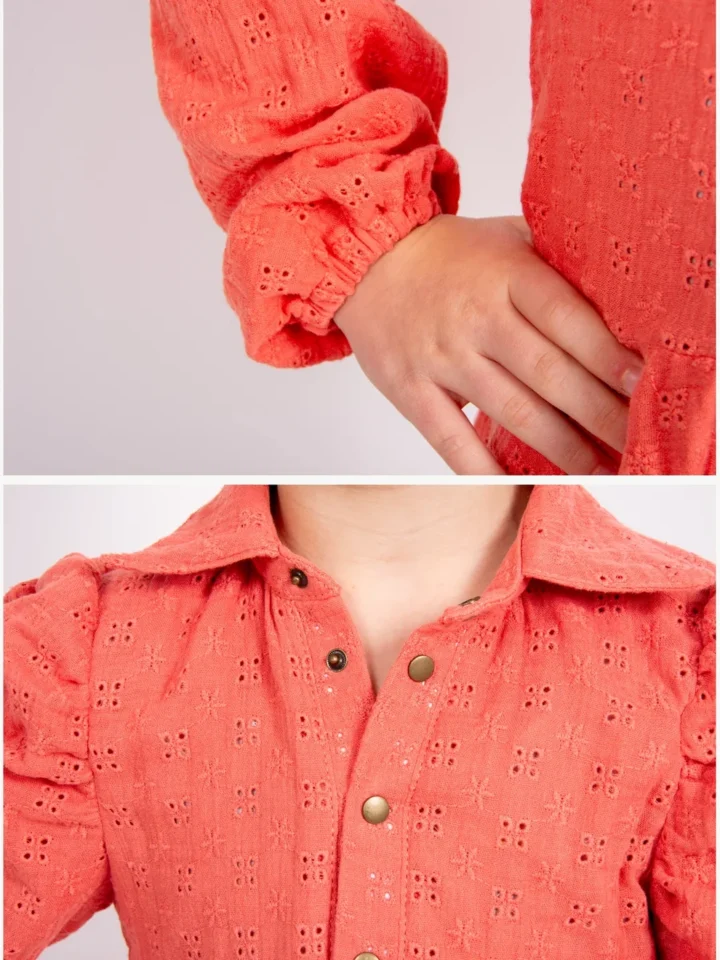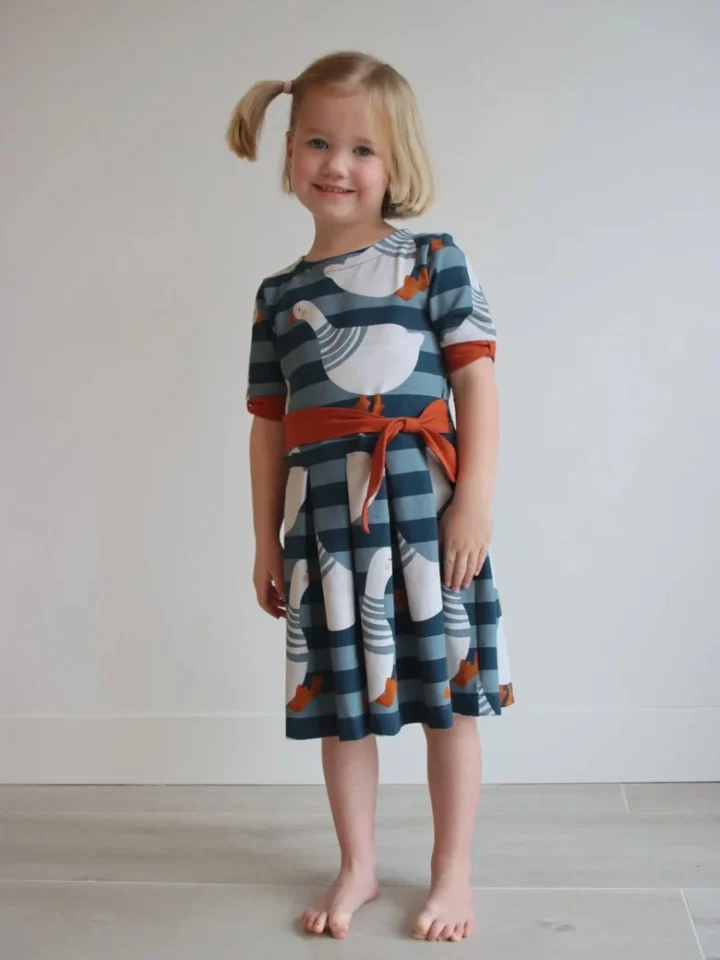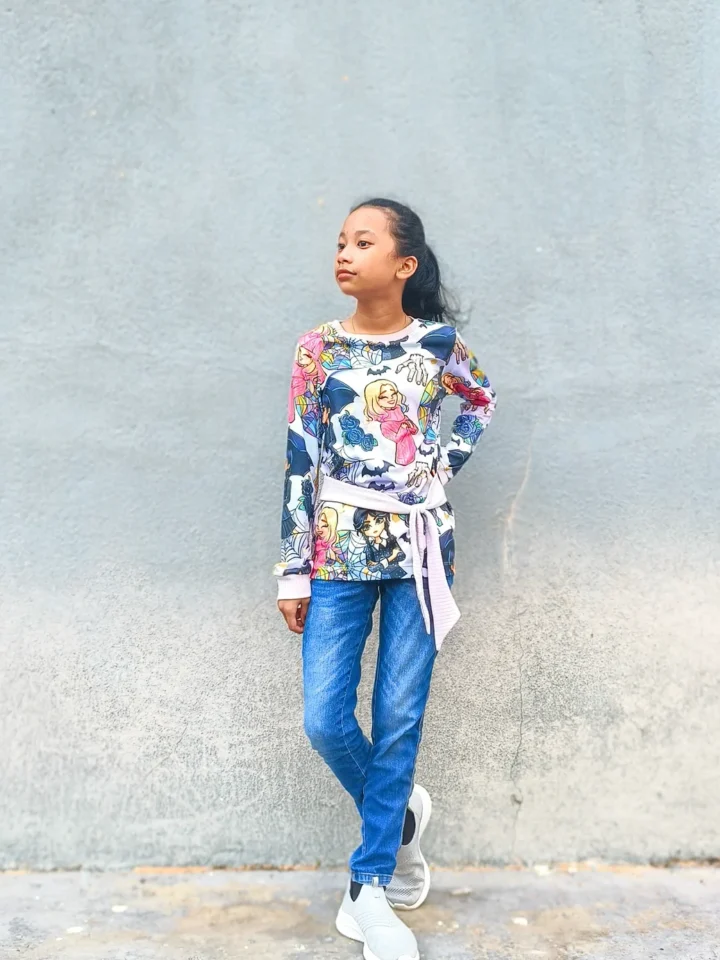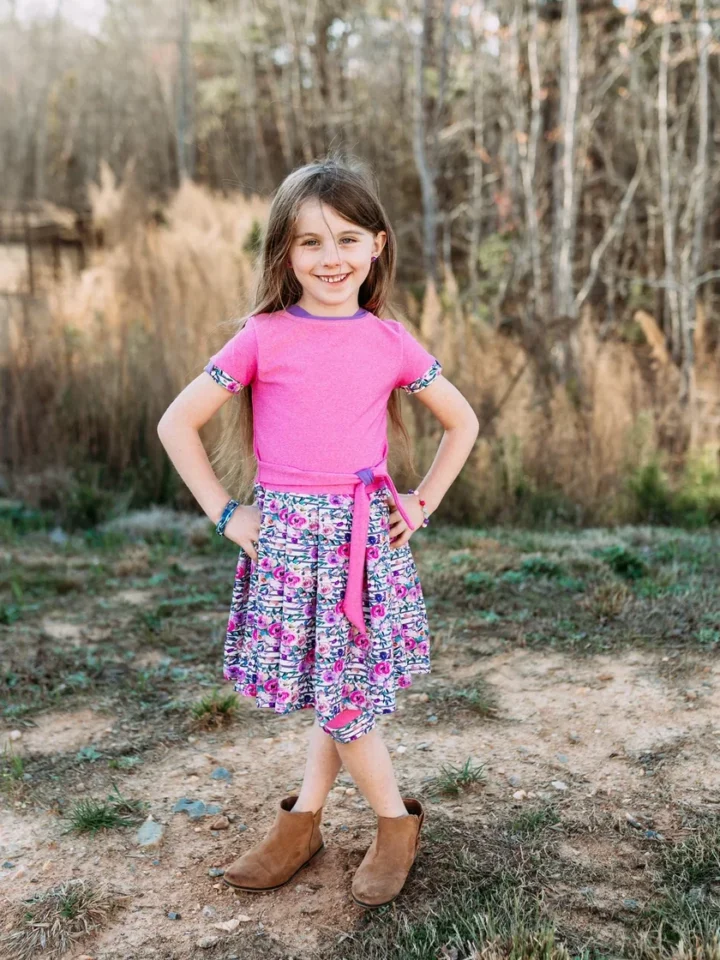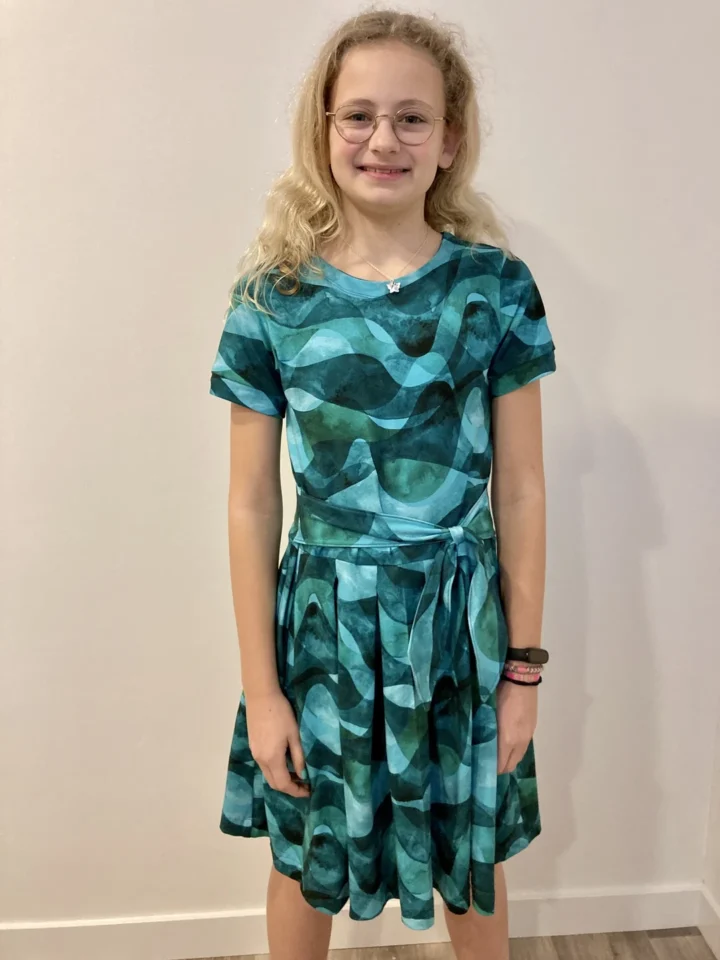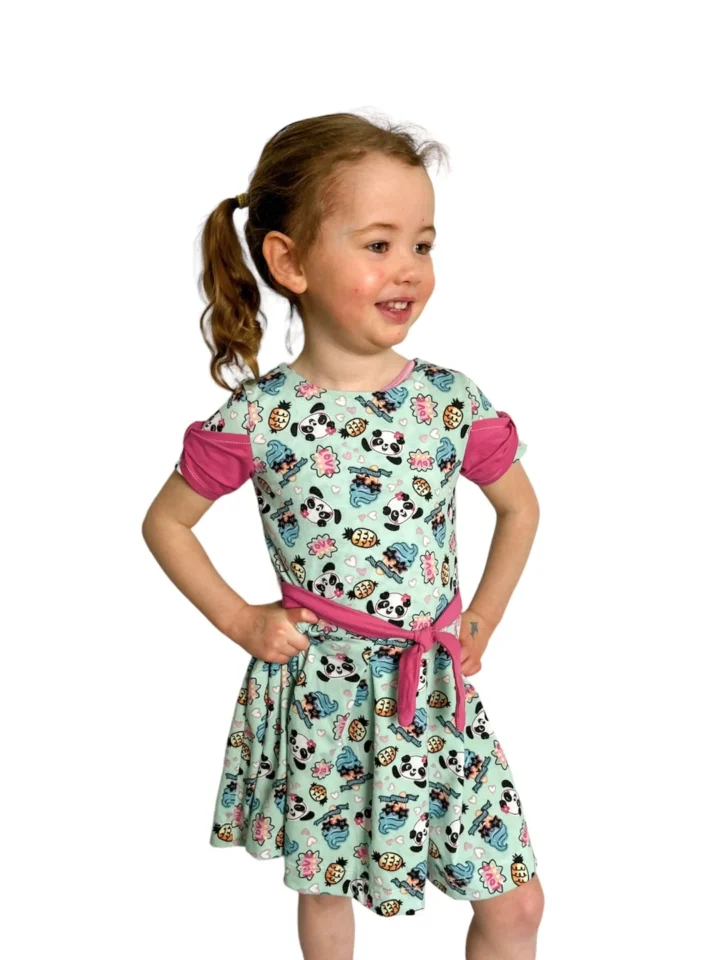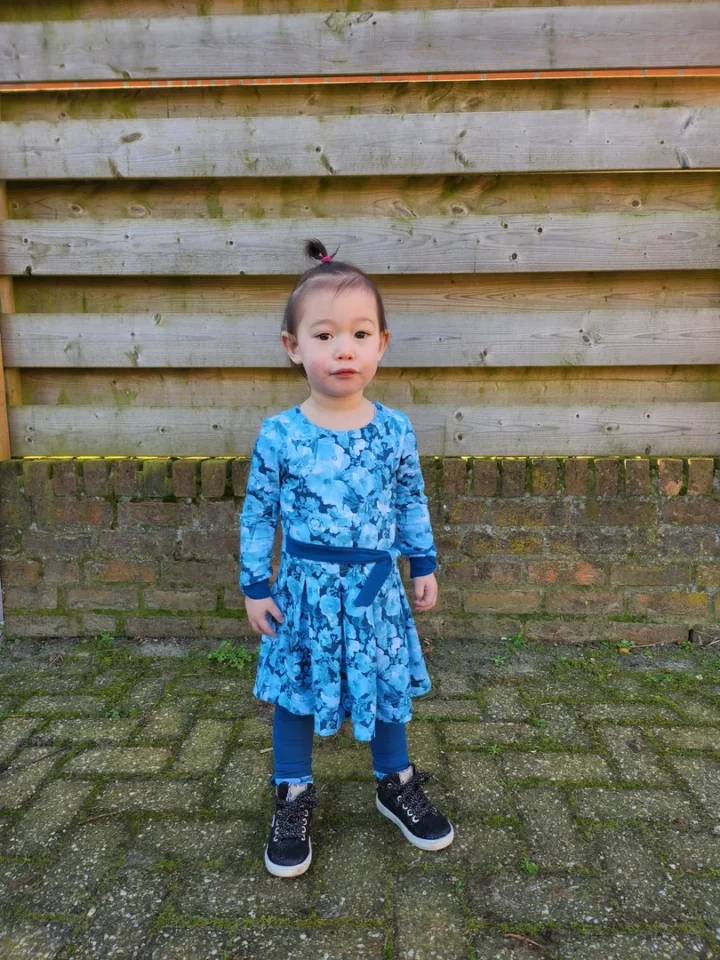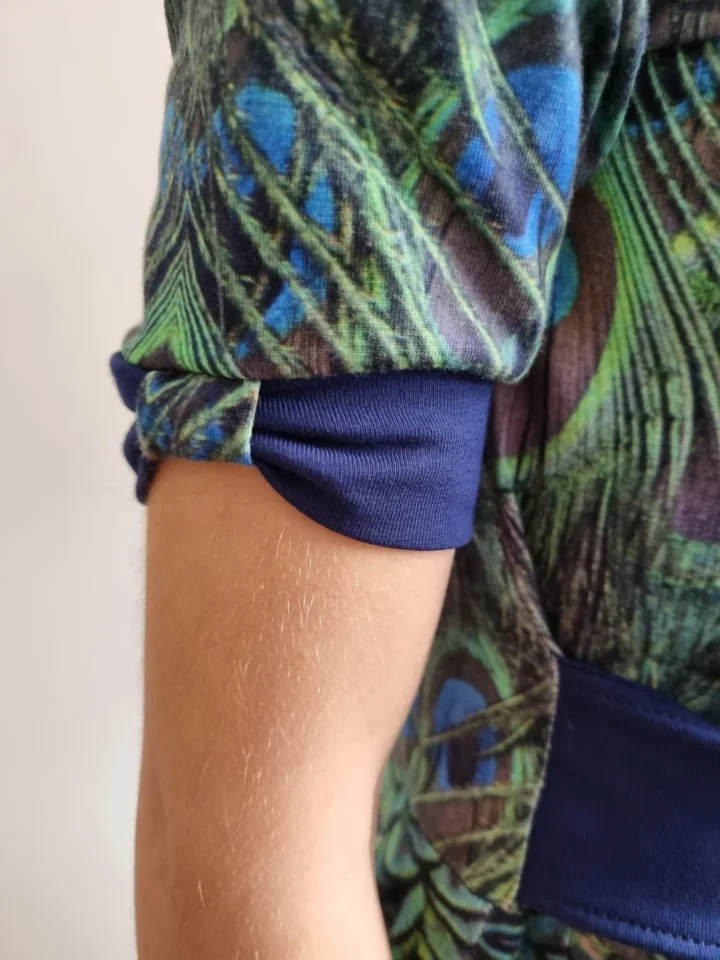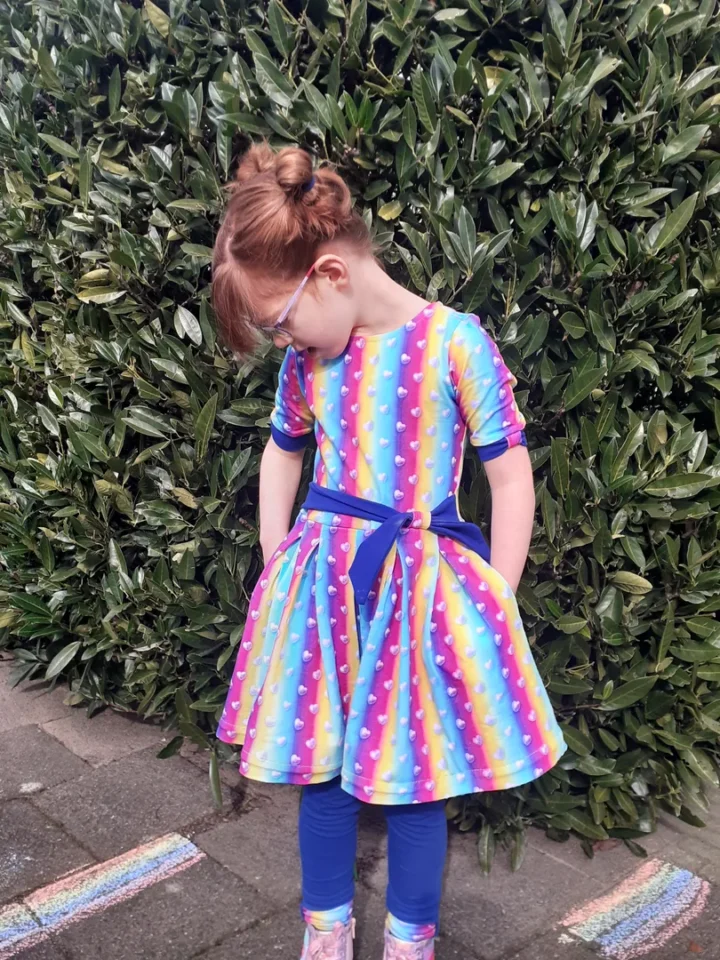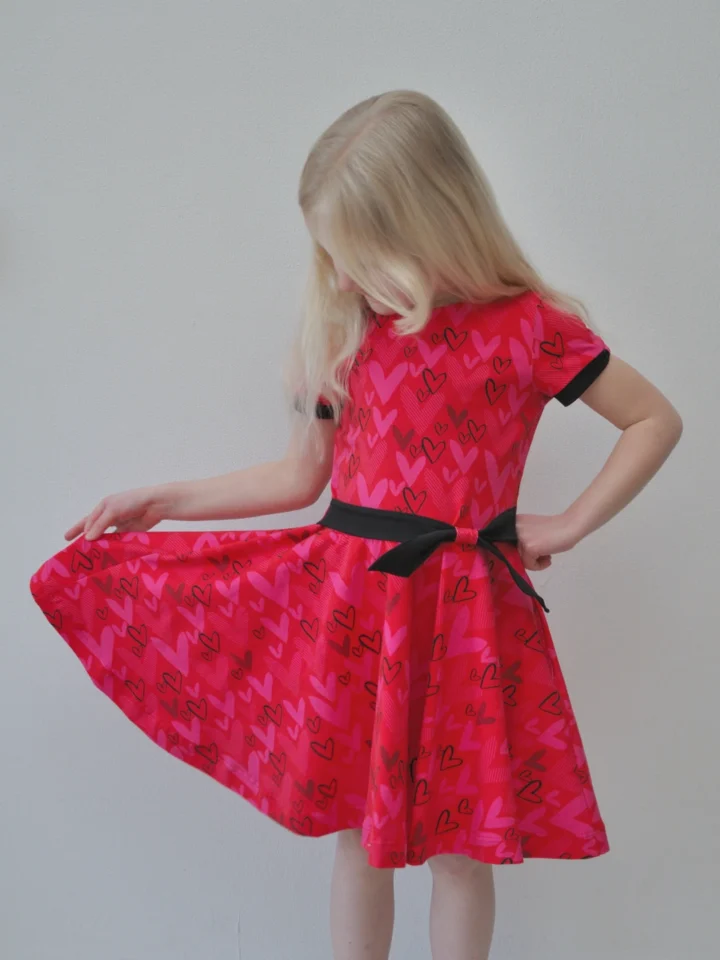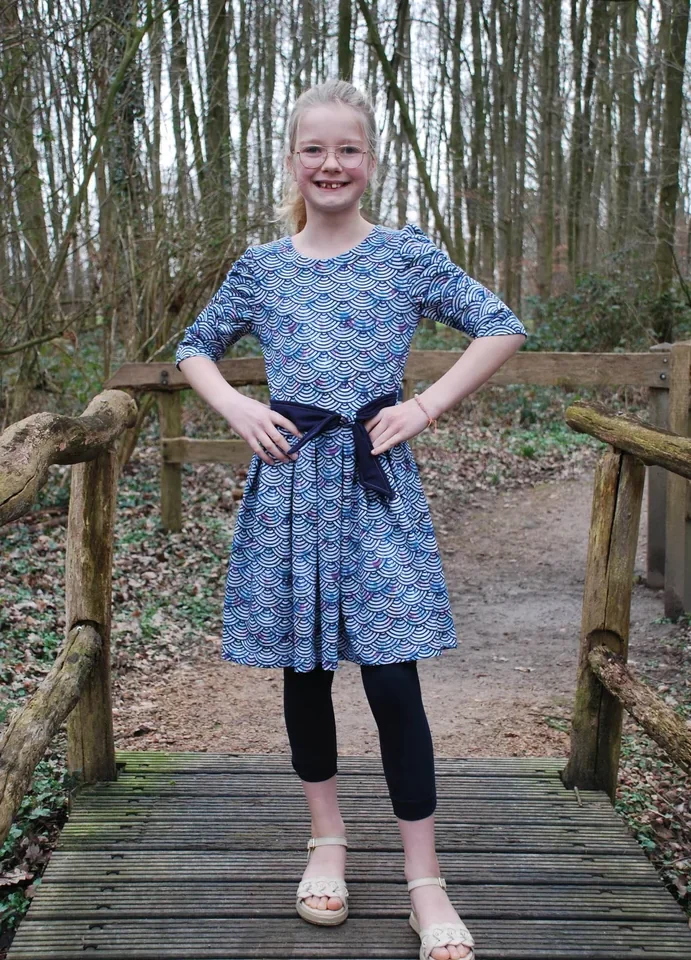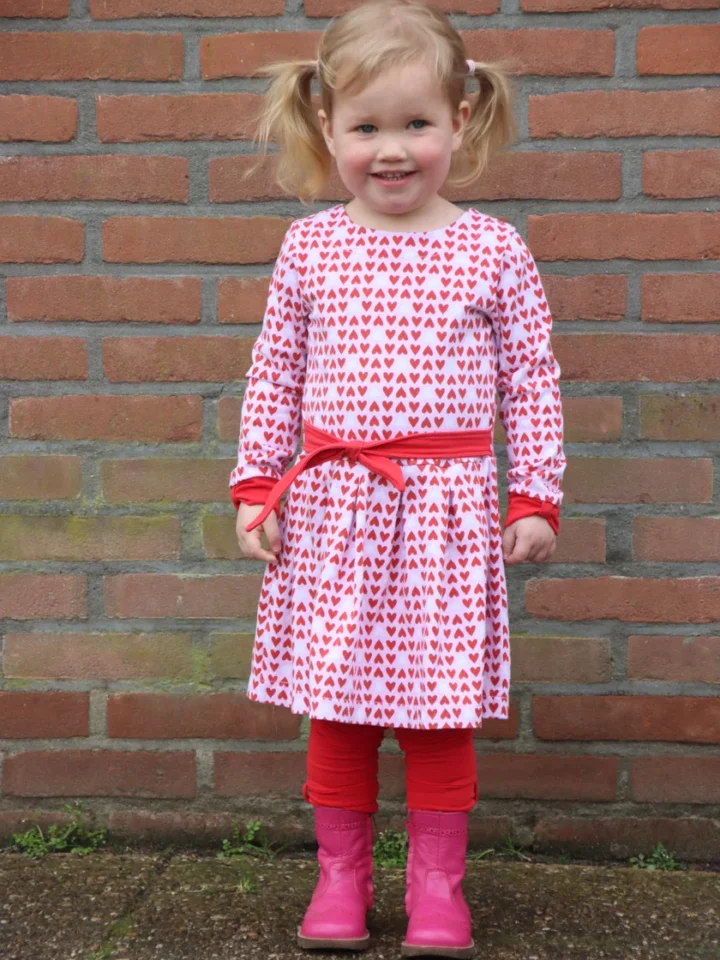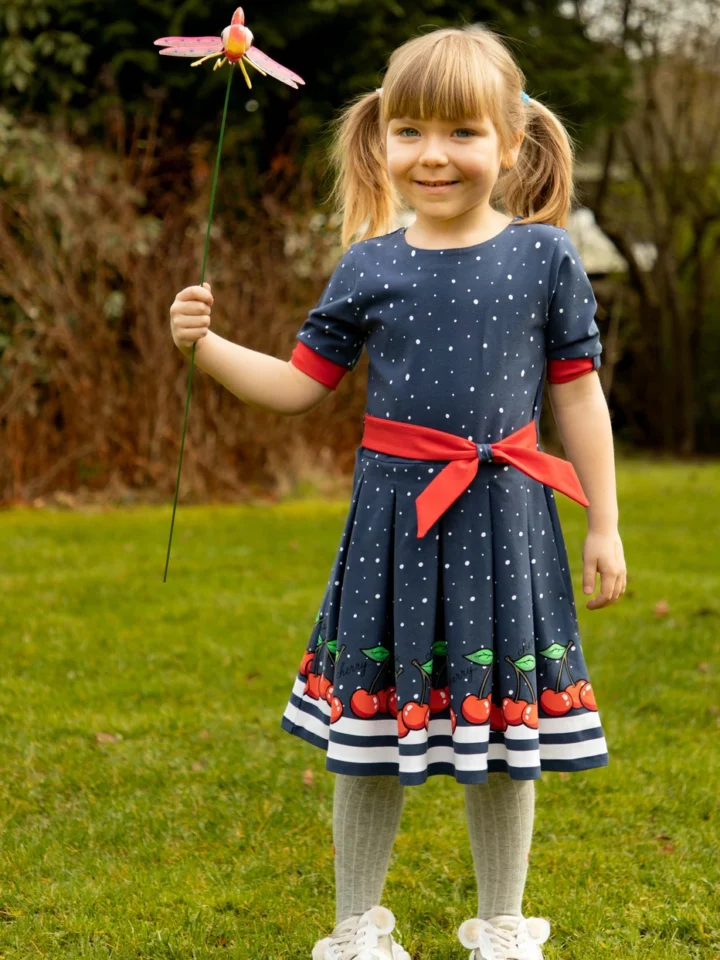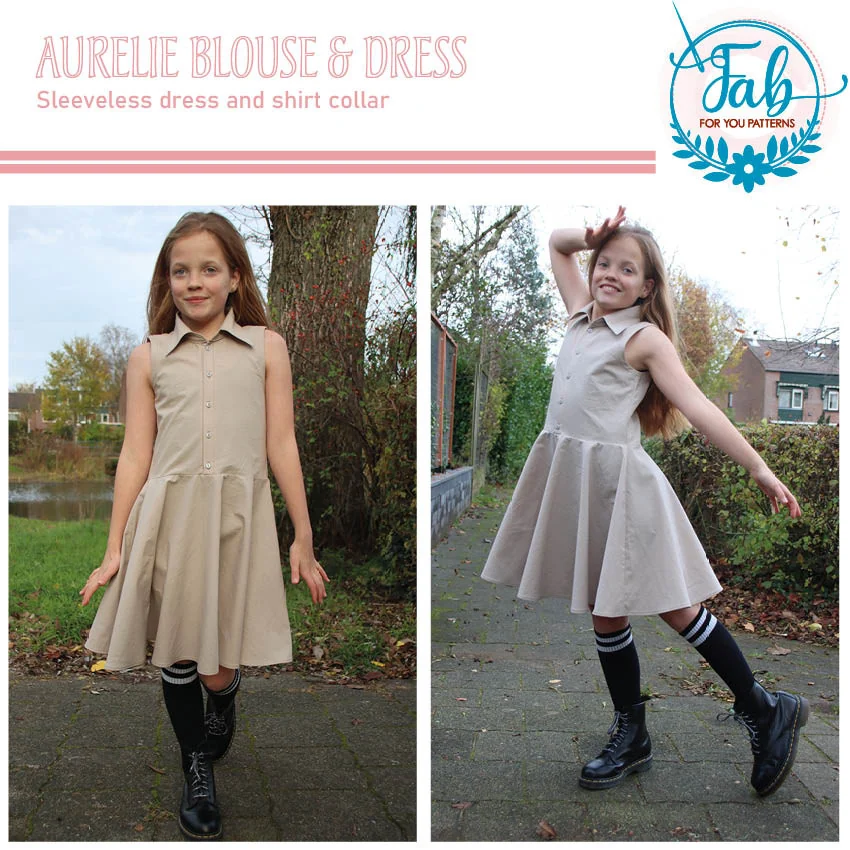
The fabric can make the same dress pattern feel casual, romantic or festive. Before choosing a print, think about how the dress should move and how the bodice is drafted to fit.
Start with knit versus woven
Knit fabric can stretch with movement; woven fabric is generally more stable. A dress pattern designed for stretch should not be cut from non-stretch cotton poplin without appropriate changes.
For everyday knit dresses
Cotton jersey and some French terries can work well when their stretch meets the pattern requirements. Lighter fabric usually drapes more softly, while a heavier knit may create a fuller silhouette.
For woven summer dresses
Cotton lawn, poplin, double gauze and linen blends offer different texture and structure. Check the opacity and consider a lining where necessary. Prewash fabrics that may shrink.
For party dresses
Fabric weight and drape matter as much as sparkle. A structured skirt may benefit from a firmer textile, while a drapey overlay needs a softer material. Make a test of the desired hem finish before committing.
Match lining to the project
A lining can make seams feel smoother and help a bodice sit neatly, but it must be compatible with the outer fabric. A non-stretch lining inside a fitted stretch bodice may restrict movement.
Explore more sewing tips
Choosing fabric for your sewing pattern
Checking fabric stretch and recovery