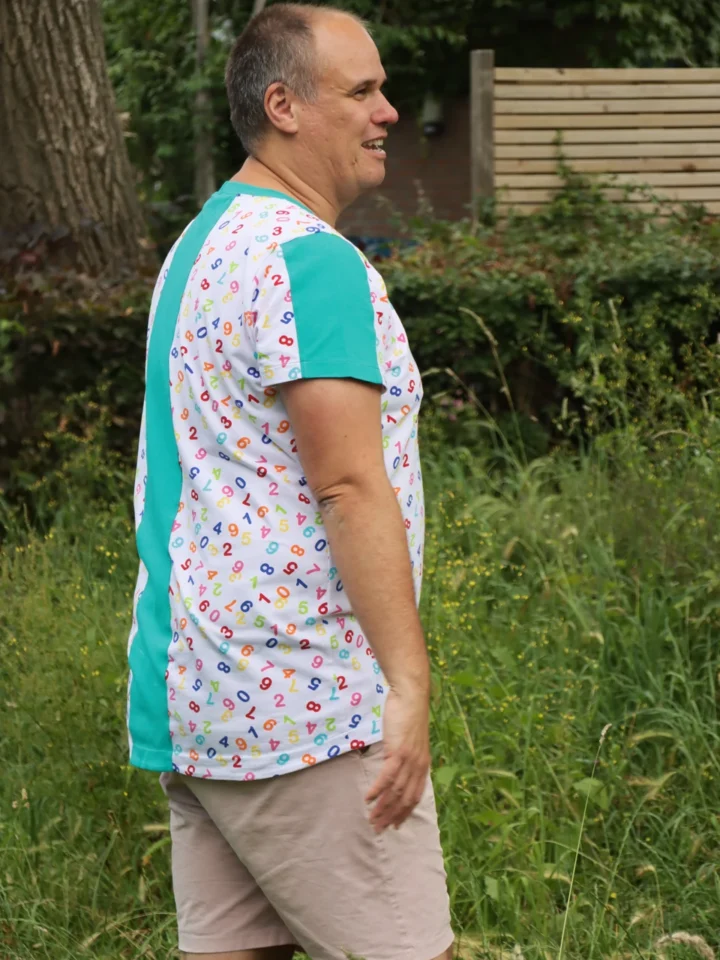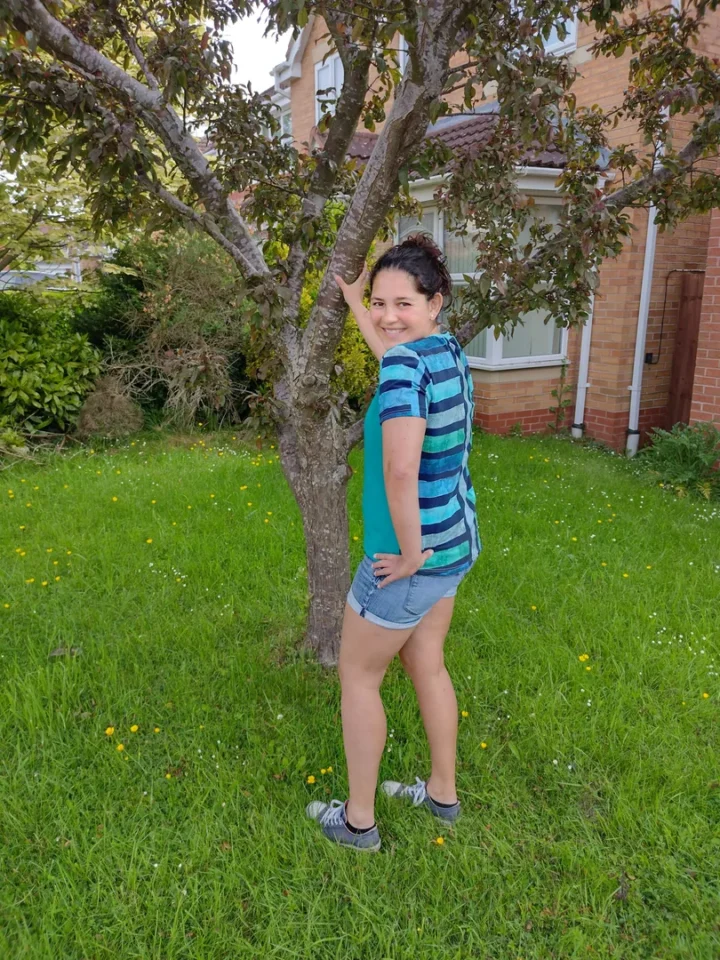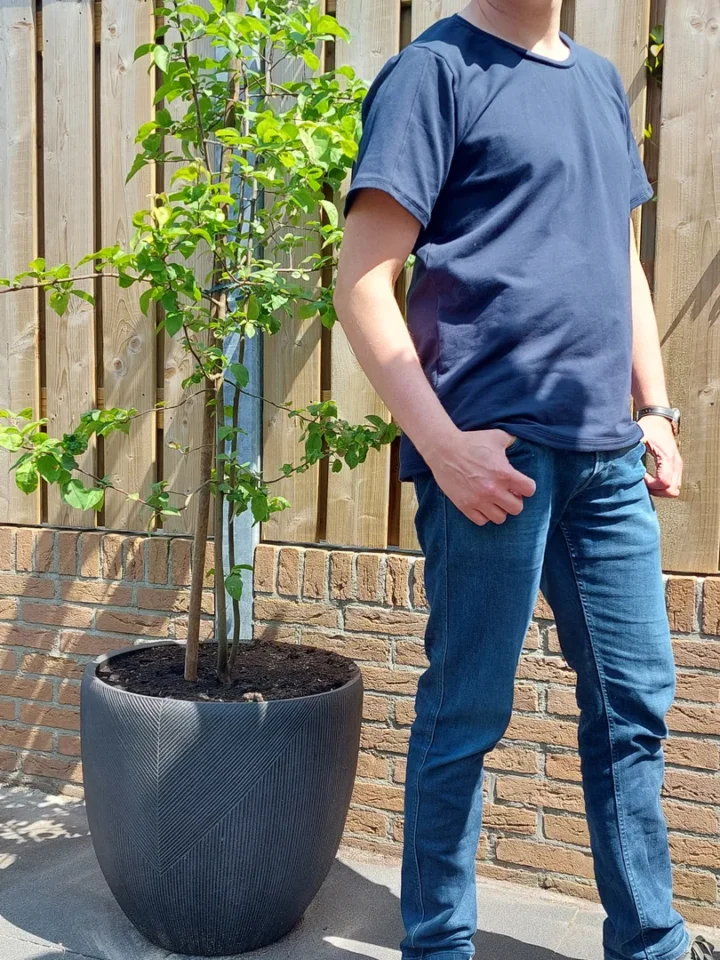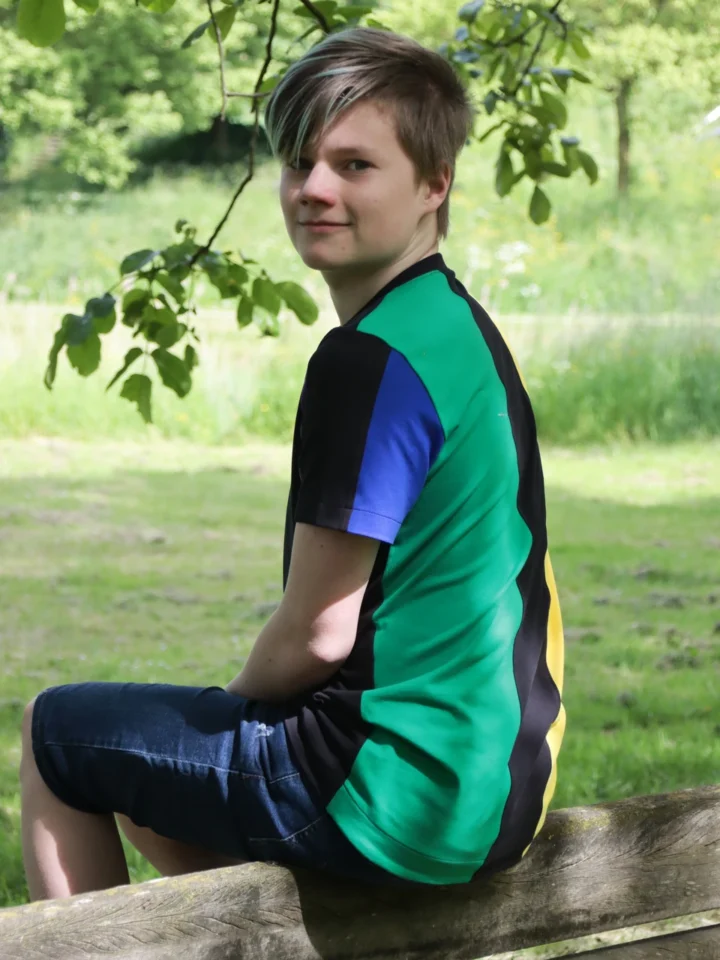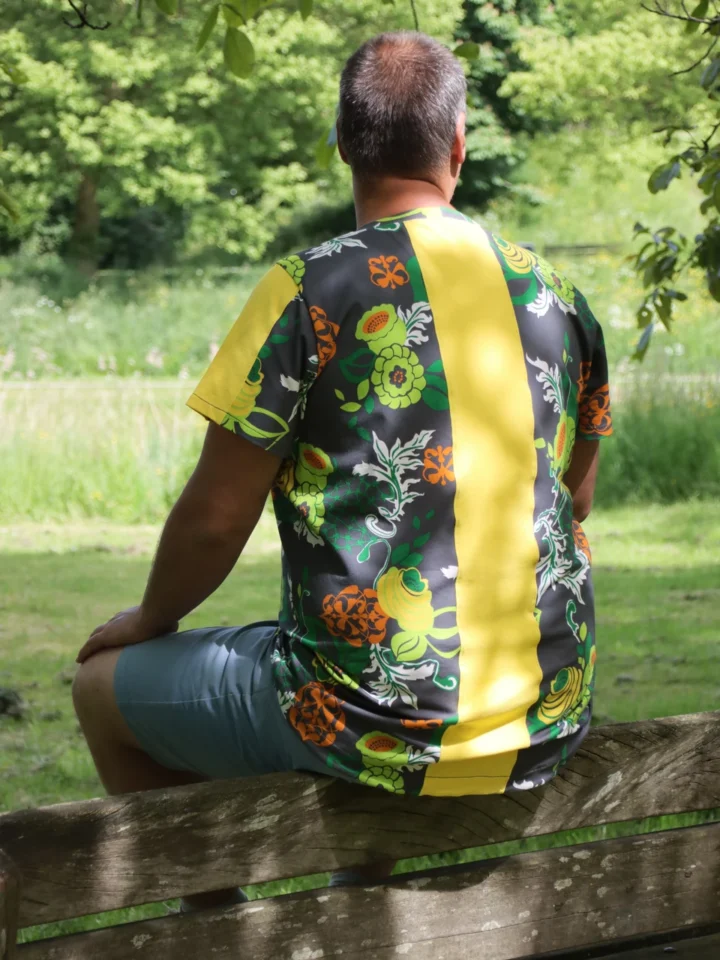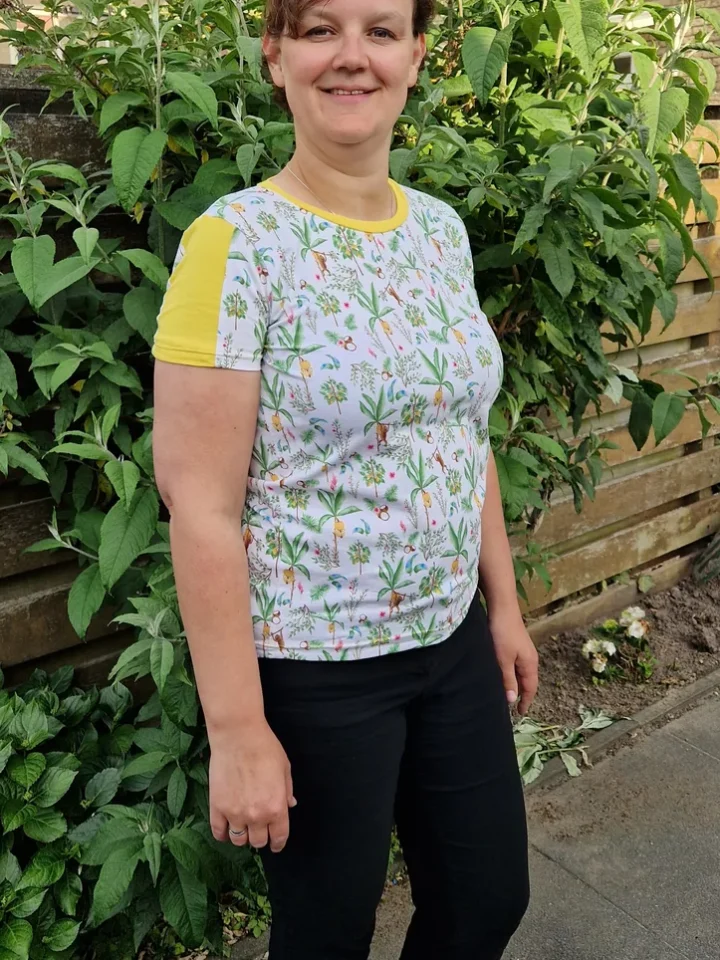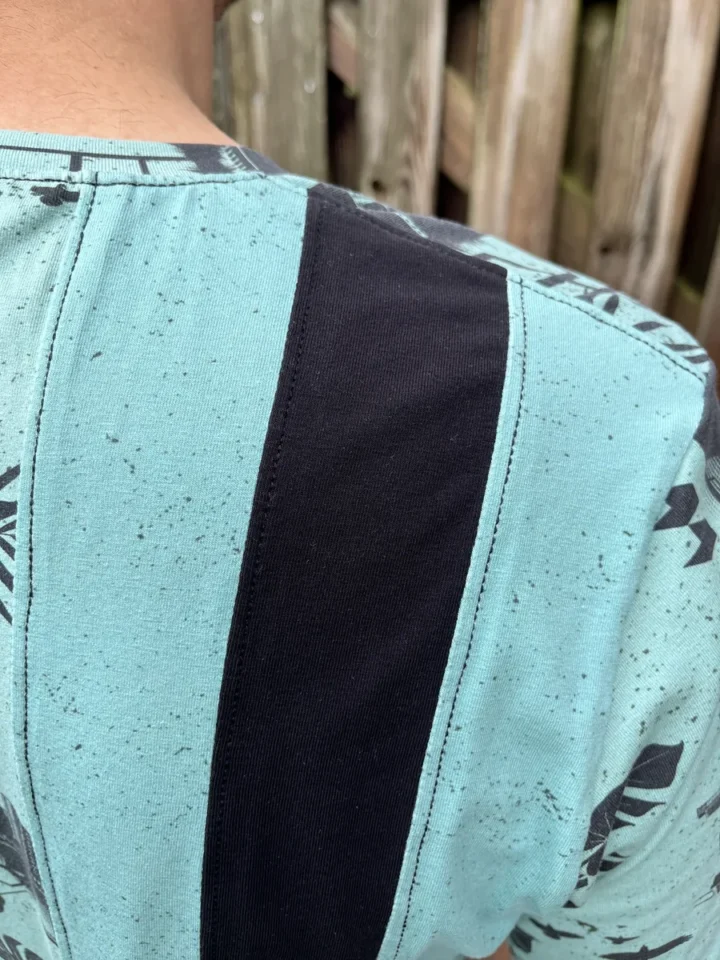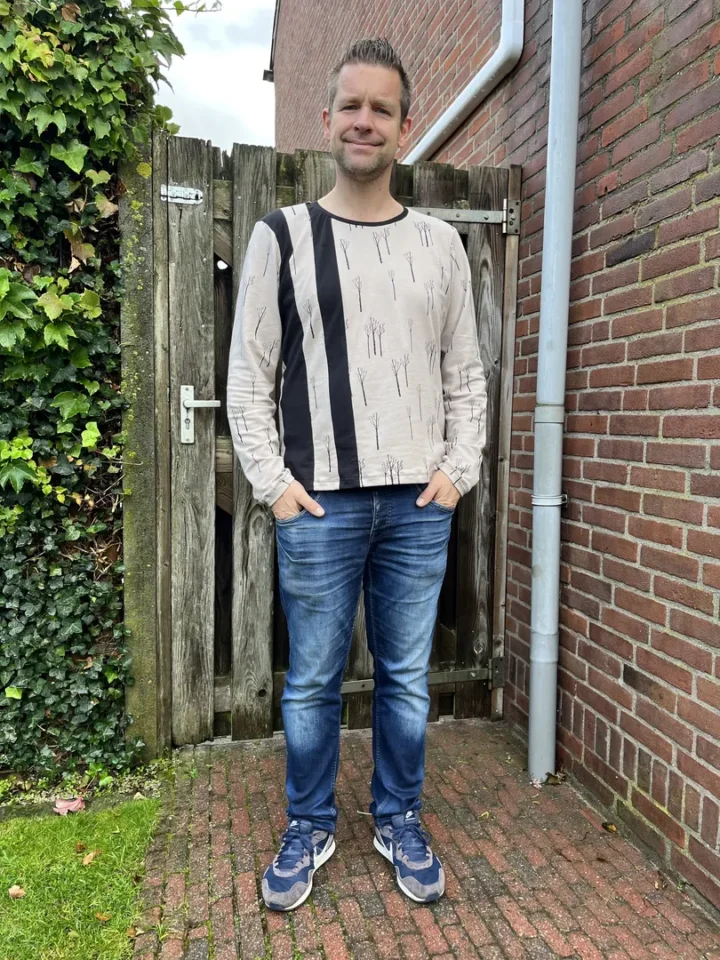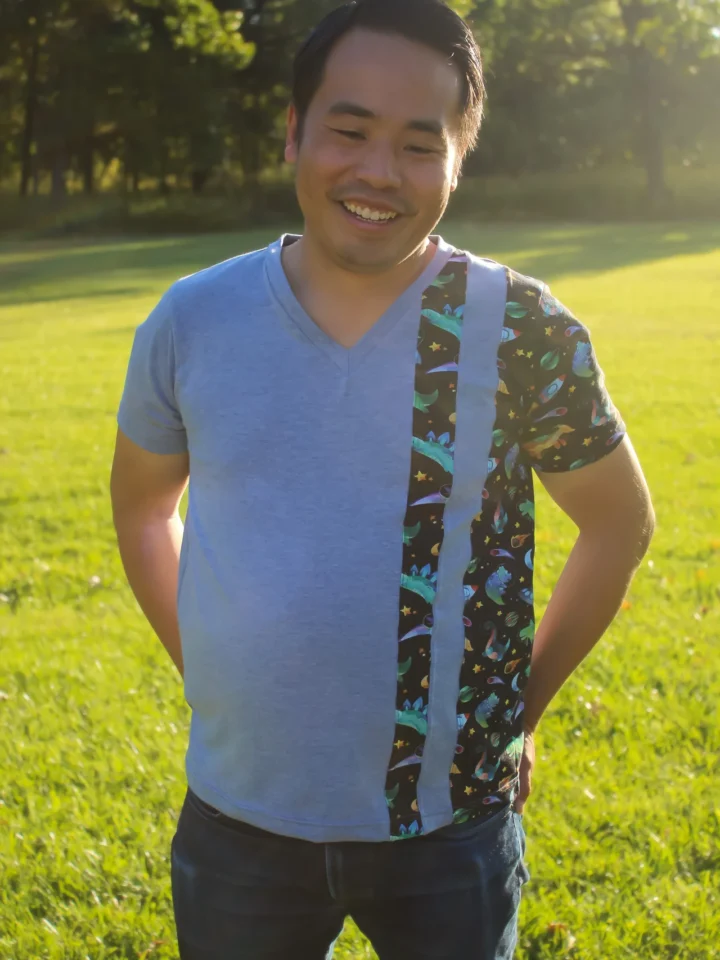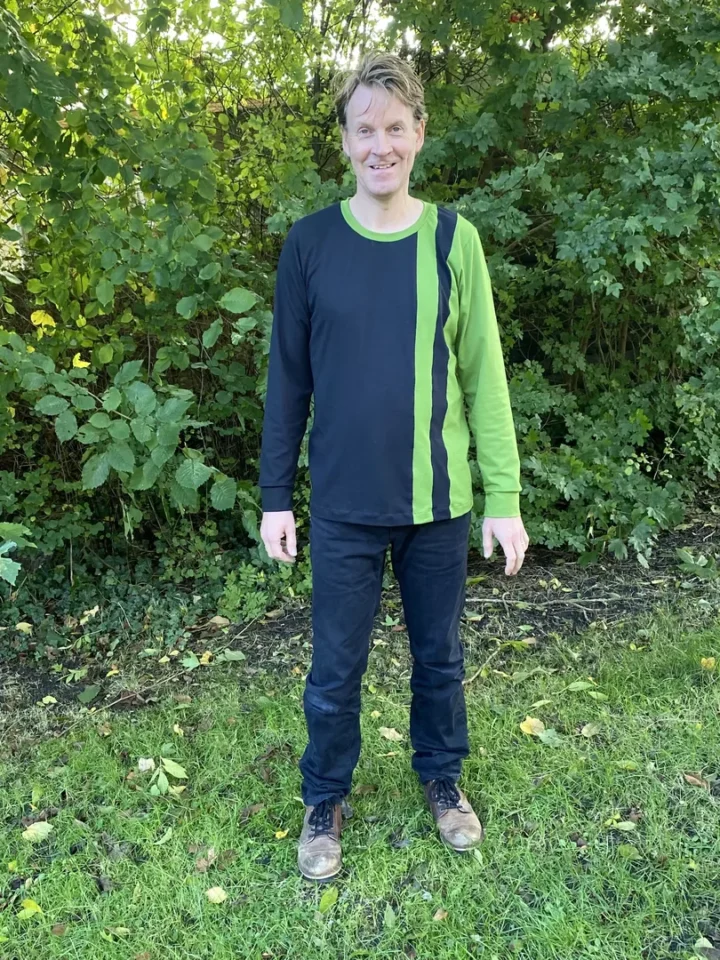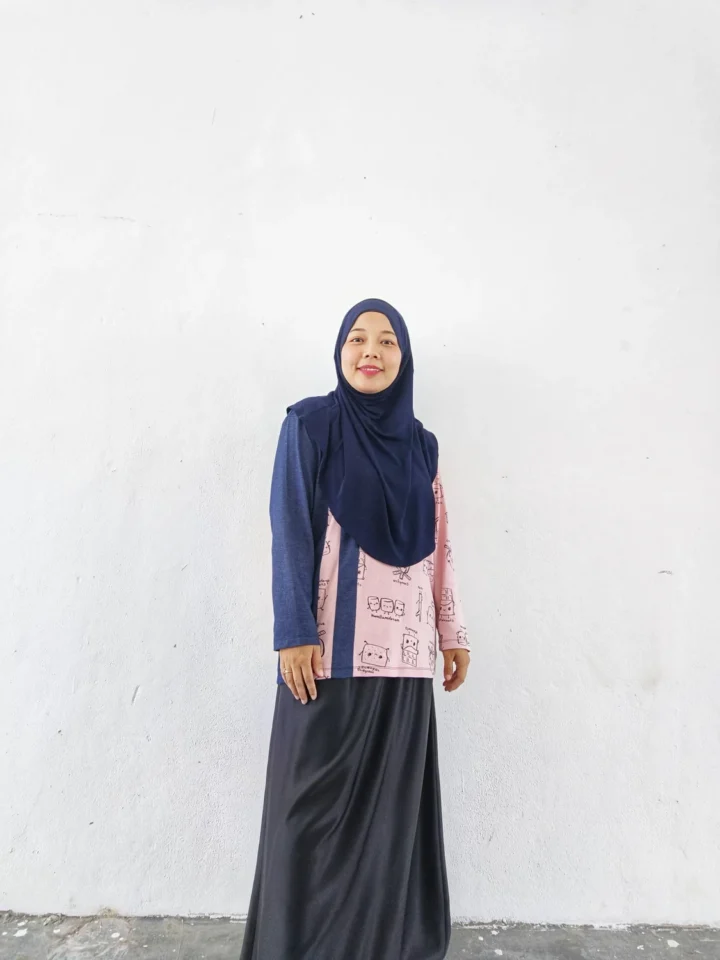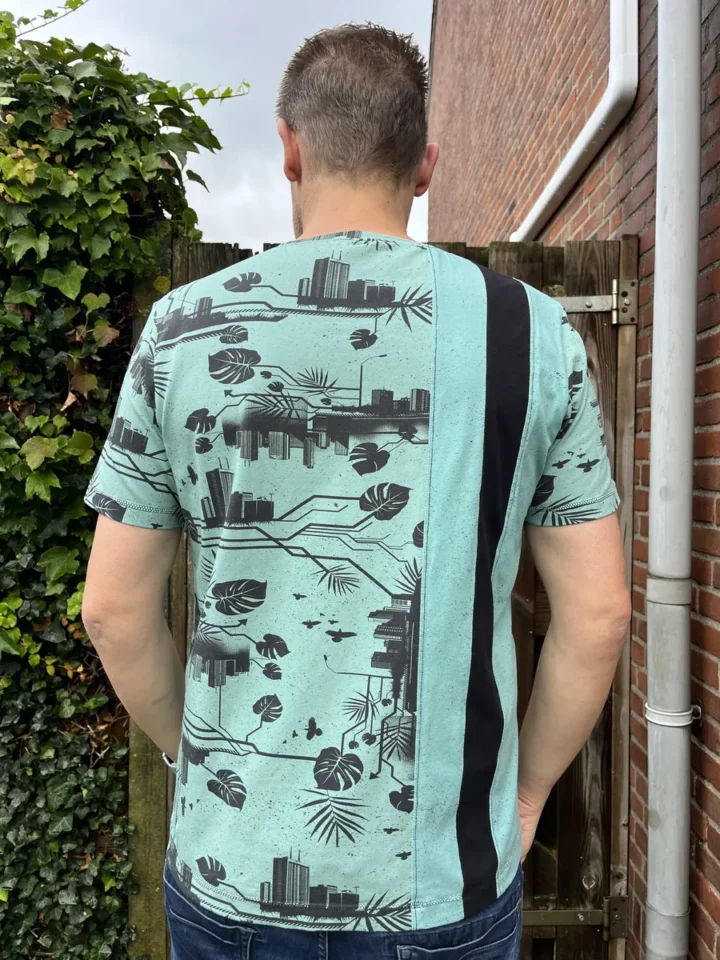
If your height falls outside an adult sewing pattern’s chart, start with the size that fits your body circumference and adjust length separately. Moving to a larger size just to gain length also changes width. The fitting sections in Jaxx Adult and Ivan Adult explain how to separate these decisions.
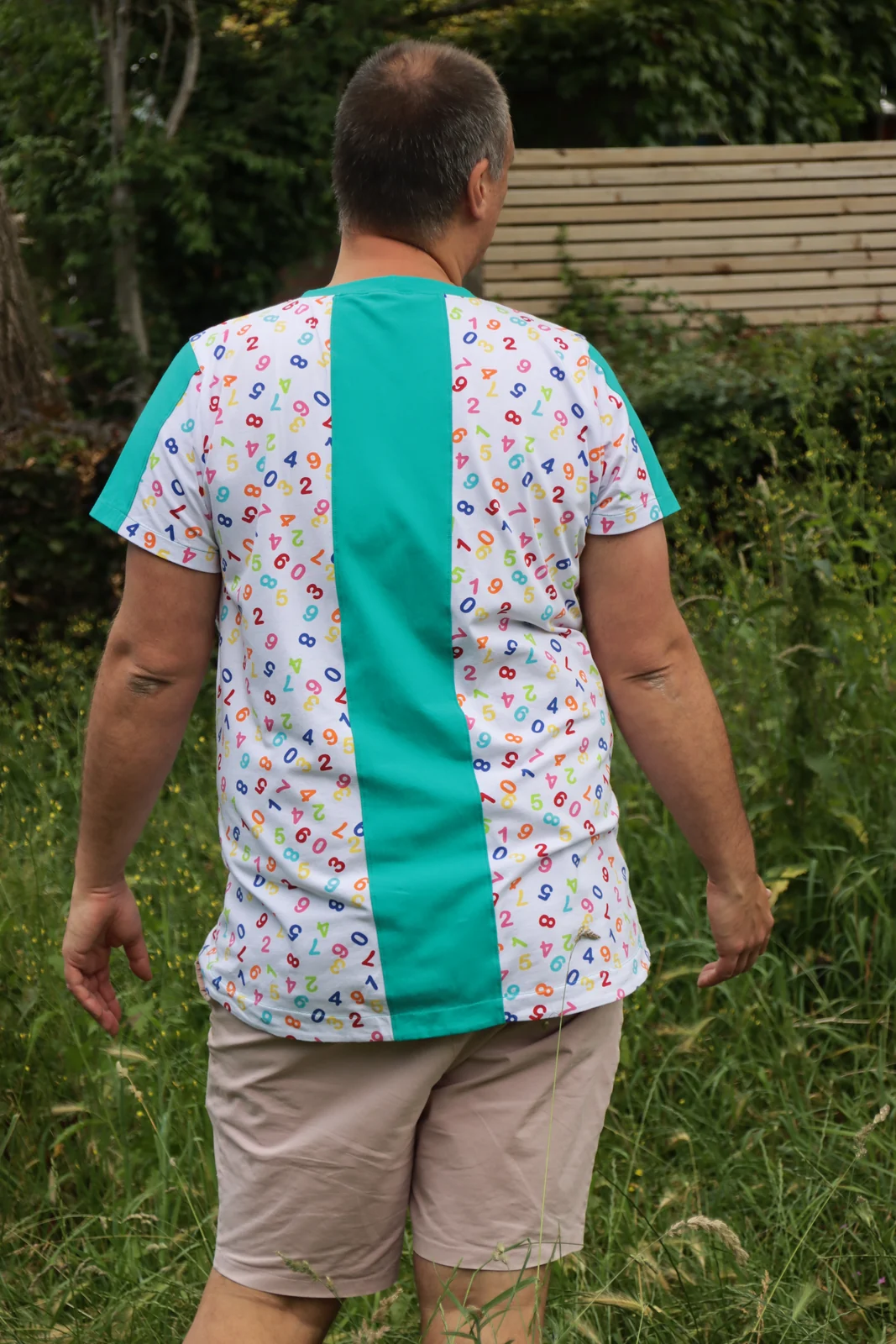
1. Record the measurements that affect a top
Choose the base size by chest measurement as directed for these patterns. Compare your height, trunk, upper arm and shoulder measurements with that size’s chart. Measure arm length with the elbow bent and the hand at the waist, following the measurement drawing in your instructions.
F4U’s trunk measurement is a complete loop: from the shoulder down the back, through the crotch and up the front to the starting point. It is not a shoulder-to-waist measurement. Compare like with like, with the tape lying flat and without pulling it tight through the crotch.
2. Estimate the length change, then check your proportions
The Jaxx Adult and Ivan Adult adult fitting notes use approximately 40% of the difference in total height as a starting estimate for a top. For example, a 10 cm height difference suggests an initial 4 cm top-length change. That is an estimate, not an instruction to add 4 cm to every piece.
The same notes use half the difference in the full trunk measurement to help assess the body-length change. If your measured trunk loop is 6 cm longer than the chart value for the chosen chest size, half that difference is 3 cm. Compare this with your proportions and intended fit. Do not automatically add the trunk-based change on top of the height estimate: they are two ways to assess the same length need.
3. Use the simple bodice adjustment when the armhole fits
Trace the chest-size pieces. The simple method divides the front and back horizontally through the body. Spread them to lengthen or overlap them to shorten, keeping the pieces aligned. Use the amount you have determined from your measurements when your height is beyond the chart, rather than inventing an extra chart size.
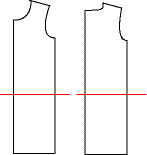
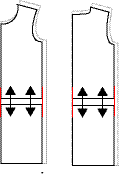
Redraw smooth side seams and check matching seam lengths. Keep the original grainline aligned and preserve the pattern’s seam and hem allowances. Apply corresponding changes to linked colourblock pieces so their seams still meet.
4. Check sleeves and armholes separately
Measure the sleeve change independently. A longer torso does not necessarily mean longer arms. The simple sleeve method cuts the sleeve horizontally and adjusts its length while retaining the width selected for the wearer.
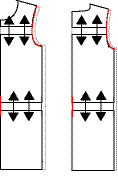
If the upper arm or armhole also needs a different size, follow the advanced fitting method in the instructions. It distributes the body adjustment through the armhole area and lower body, with corresponding sleeve changes. Recheck the sleeve head against the adjusted armhole; adding everything at the hem cannot correct an armhole that is too shallow.
5. Test before cutting your main fabric
Make a fitting sample in comparable knit fabric. Check the hem position, arm movement, shoulder position and sleeve length, then refine the traced pattern. A large change beyond the chart deserves a fresh fitting check rather than a larger automatic percentage.
Patterns and skill level
Jaxx Adult and Ivan Adult are beginner-friendly shirt and sweater patterns in US34–60. These fitting changes add pattern-alteration work, particularly around the armhole. Use each pattern’s own measurement chart, construction instructions and fabric requirements.